
Homemade Weed Killer: Vinegar, Salt & Dish Soap (and When to Actually Use It)
Jacob Wells
The short answer
Mix one gallon of vinegar, one cup of salt, and a tablespoon of dish soap, spray it on weeds on a hot sunny day, and they'll brown out within hours — a real no-glyphosate option for driveways, cracks, and patios. But it kills anything green and the salt sterilizes soil, so never use it in a lawn or planting bed. It's a hardscape weed killer, not a lawn treatment.
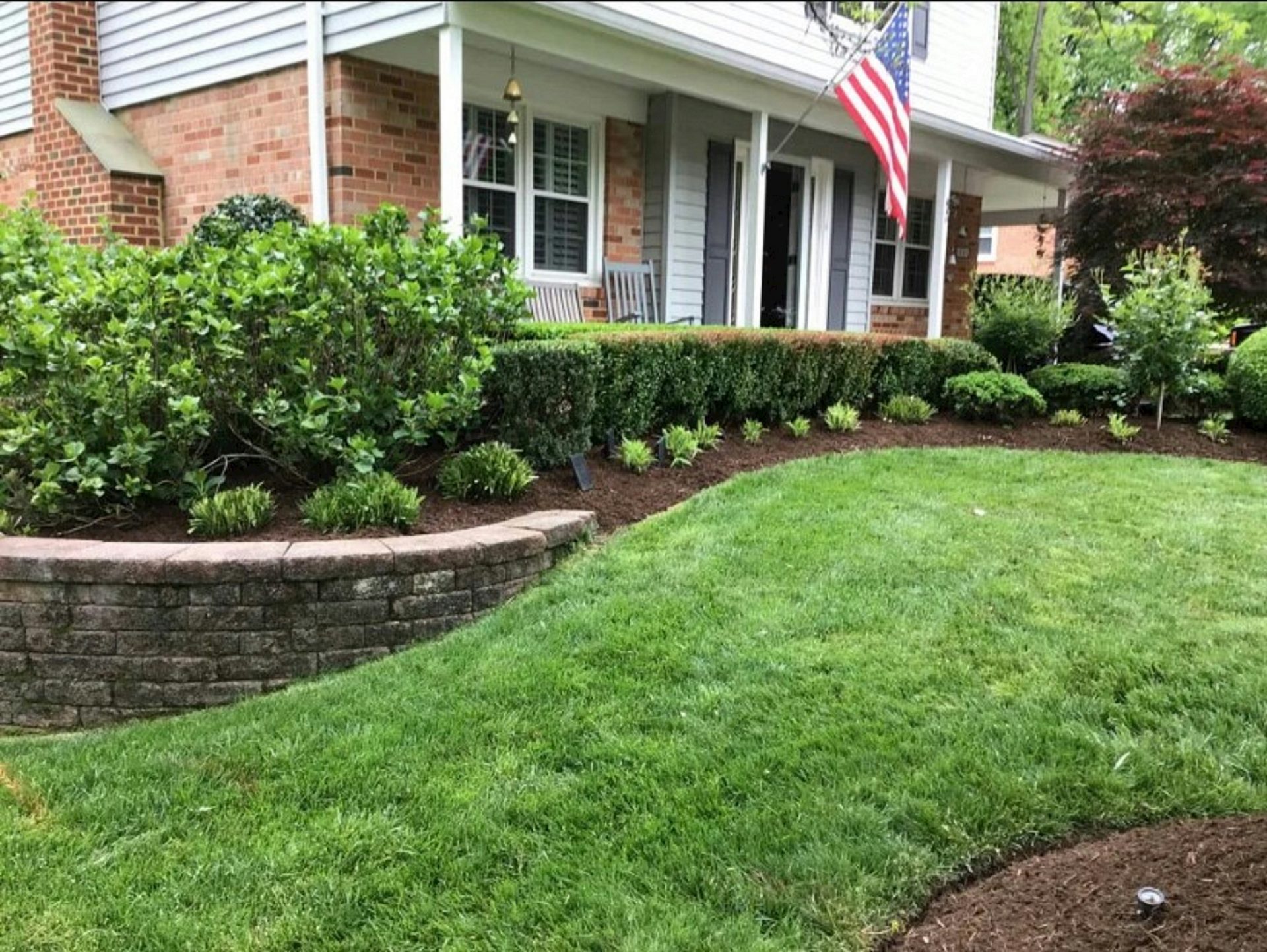
Every summer someone asks me for a weed killer that isn’t Roundup — usually because they’ve got kids or dogs and they’ve read enough about glyphosate to want an alternative. Good news: the old vinegar-salt-dish-soap mix genuinely works, it’s cheap, and you probably have all three in the house right now.
The catch is knowing where to use it. Used right, it’s fantastic. Used wrong, it’ll kill your lawn and poison the soil for months. Let me give you both halves.
The recipe
- 1 gallon white vinegar
- 1 cup salt (table or rock salt both work)
- 1 tablespoon dish soap
Stir until the salt dissolves, pour it into a pump sprayer, and you’re ready. Each ingredient does a job:
- Vinegar — the acetic acid burns the leaf surface and dries it out.
- Salt — draws moisture out of the plant and lingers to suppress regrowth.
- Dish soap — breaks the surface tension so the spray sticks to waxy weed leaves instead of beading off.
How to use it so it actually works
Timing matters more than people expect:
- Spray on a hot, sunny day. Heat and sun supercharge the acetic acid. Weeds sprayed at 9am on a 92-degree day are brown by lunch.
- No rain for 24 hours. Rain washes it off before it can work — easy to check against the afternoon storms we get all summer.
- Soak the leaves. Coat them until they’re wet, not dripping.
- Hit the weed, not the neighbors. It doesn’t know the difference between a weed and a petunia. Spray on a still day so it doesn’t drift.
You’ll see browning within hours. Young annual weeds usually die outright. Tough, deep-rooted perennials may push new growth in a week or two — just spot-spray them again.
The one rule: hardscape only
Here’s the part the viral recipe posts leave out, and it’s the important one.
This mix kills every green thing it touches, and the salt sterilizes the soil for months. That’s a feature on a driveway and a disaster in a garden bed. Use it here:
- Driveway and sidewalk cracks
- Patio and paver joints
- Gravel areas
- Along fence lines and foundation edges
Never use it here:
- In your lawn (it’ll leave dead patches, and salt keeps grass from filling back in)
- In flower or shrub beds (it’ll kill your plants and the soil around their roots)
- Anywhere you plan to grow something later
If the weeds are in your St. Augustine lawn, this is the wrong tool — you’ll trade a few weeds for a bunch of dead, salted spots. For lawn weeds, hand-pulling or a selective herbicide made for turf is the right move.
When it’s worth just having it handled
A homemade spray is perfect for a few weeds in the driveway on a Saturday. Where it stops being worth it is a yard that’s gotten away from you — beds overtaken, cracks everywhere, weeds through the whole lawn. At that point you’re spot-spraying for weeks and still losing.
That’s the kind of reset I do all the time around New Port Richey: clear the overgrowth, re-mulch the beds so weeds can’t get a foothold, and get the lawn back on a schedule so it out-competes them. You can see how that works on the cleanups and hauling page, or send a photo through the quote form and I’ll tell you what it’d take — usually same day.